
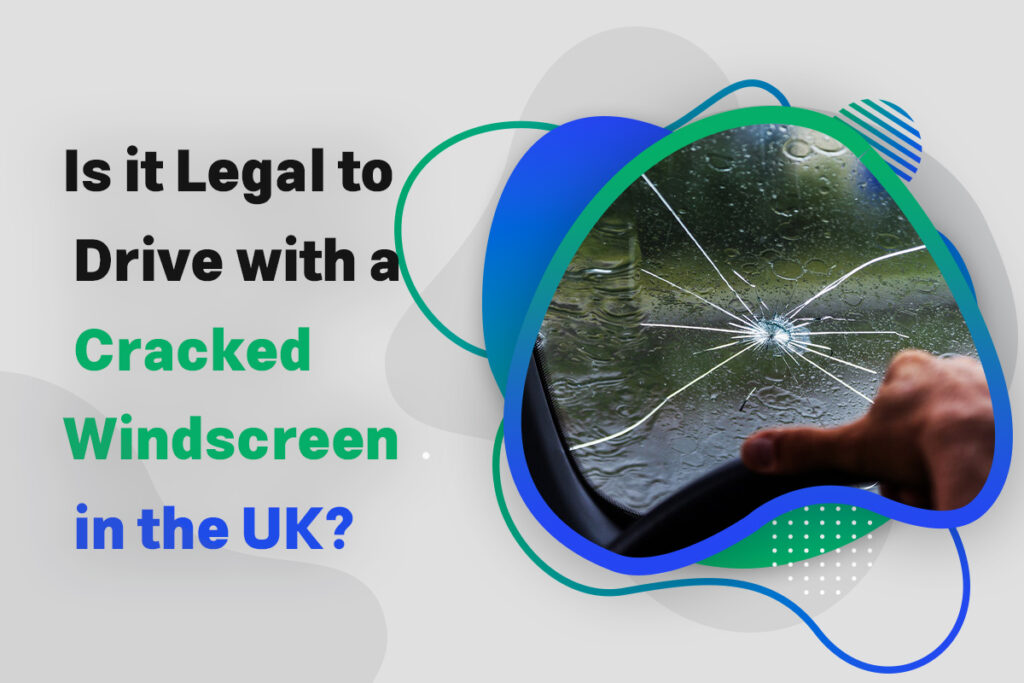
You’ve probably experienced your car windscreen cracking, whether from a stone chip or another object on the road. It often raises the question: is it legal to drive with a cracked windscreen? The answer depends on both the size and position of the damage. In this article from ProCarGlass, we’ll explore this issue to see whether driving with a cracked windscreen is allowed.
The Legal Framework in the UK
In the UK, vehicle roadworthiness is governed by the Road Traffic Act 1988 and enforced through the MOT (Ministry of Transport) test. According to these regulations, it is illegal to drive a vehicle in a condition that poses danger to its occupants or others. A cracked windscreen may fall under this category if it obstructs the driver’s view or compromises safety.
Additionally, the Highway Code states that drivers must have a full, clear, and unobstructed view of the road at all times. Failure to comply with these requirements can lead to penalties, points on the licence, or even prosecution in severe cases.
MOT Rules and Windscreen Damage
One of the key indicators of legality is the annual MOT test. During this test, examiners check the windscreen for chips and cracks:
- Zone A (Driver’s Line of Vision): This is the area directly in front of the driver, approximately 290mm wide. Any crack or chip larger than 10mm in this zone will result in an automatic MOT failure.
- Other Areas of the Windscreen: In the remainder of the windscreen, damage larger than 40mm will also cause the vehicle to fail the test.
Therefore, while a small chip may not immediately make your car illegal to drive, it can prevent your vehicle from passing its MOT, making it unroadworthy in the long run.
Read more: Will a Cracked Windscreen Fail the MOT Test?
Insurance and Liability Issues
Driving with a cracked windscreen can also raise issues with your car insurance. Most insurers cover windscreen repairs or replacements, often without affecting your no-claims bonus. However, if you knowingly continue to drive with a damaged windscreen and it contributes to an accident, your insurer may reduce or refuse to cover the costs.
Moreover, if the damage results in an accident that injures another person, you could face liability claims and legal consequences. This makes prompt repair not just a matter of compliance but also of financial protection.
Safety Risks of Driving with a Cracked Windscreen
Putting legal matters aside, a cracked car windscreen can worsen over time due to factors such as temperature changes, vibrations, or added pressure. This can weaken the glass and reduce its strength, making it extremely dangerous in the event of an accident and putting the driver and passengers at risk. Additionally, extensive cracks can impair the driver’s vision, especially when sunlight hits the windscreen directly, increasing the likelihood of a collision. Therefore, regardless of legal concerns or fines, for your own safety and that of your passengers, it’s crucial to repair or replace a cracked windscreen as soon as possible.
Police Enforcement and Penalties
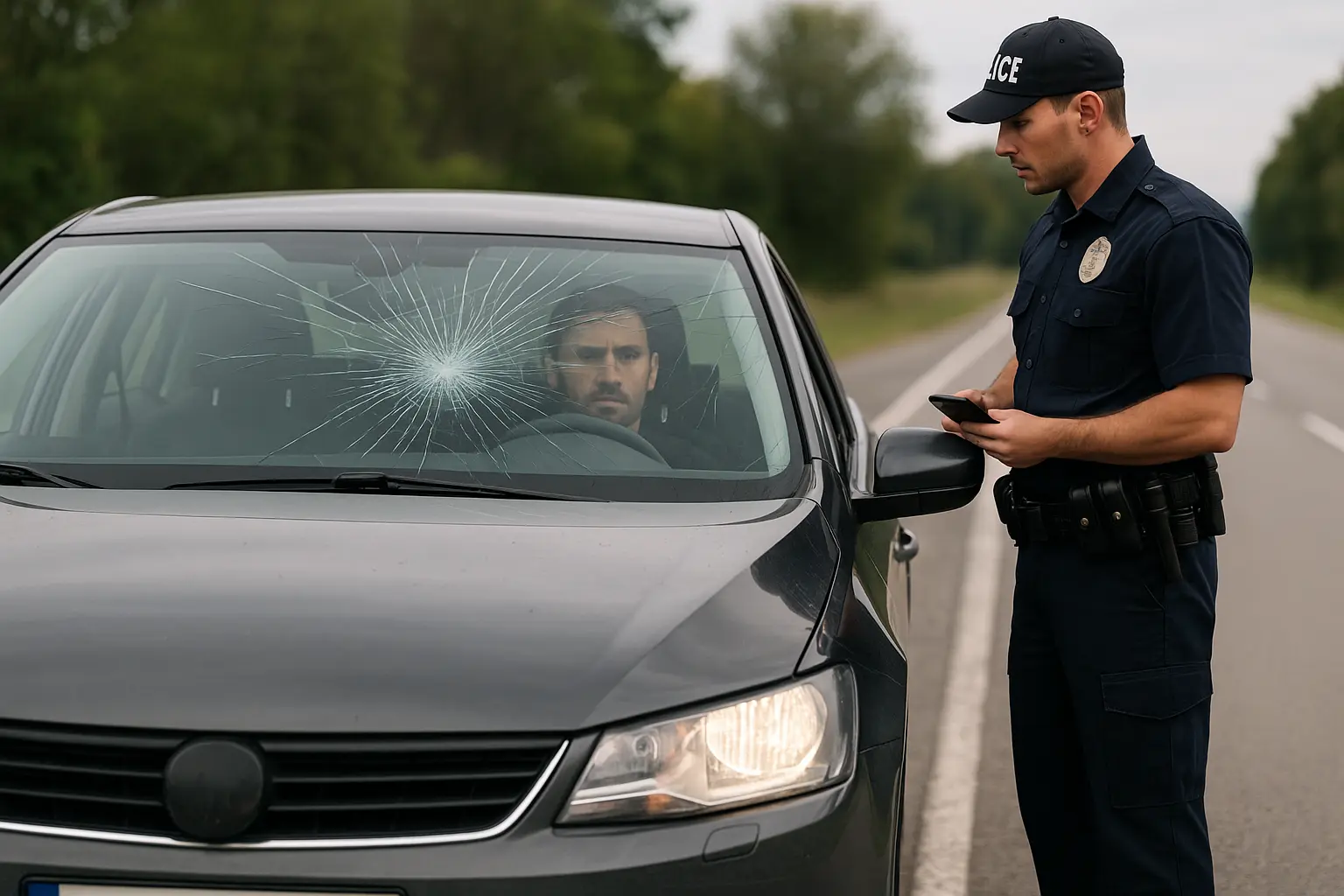
If the police stop your car with a cracked windscreen, the legal action taken will depend on the severity of the damage. For example, you may receive a fixed penalty notice (FPN) of around £100, or a penalty point could be added to your driving licence. However, if the crack is serious enough to obstruct your view or pose a safety risk, the police can declare your vehicle unroadworthy until the windscreen is repaired or replaced.
Practical Guidance for Drivers
If your car windscreen gets damaged, the following steps are recommended:
- Assess the damage: Check the size and location of the crack. If it’s in the driver’s line of sight, arrange a repair immediately.
- Use temporary precautions: If immediate repair isn’t possible, avoid washing the car with hot water or exposing it to extreme temperatures, as this can make cracks worse.
- Book professional repair or replacement: Reputable companies like ProCarGlass can repair small cracks in as little as 30 minutes. Larger cracks usually require a full windscreen replacement. (ProCarGlass provides mobile services and can repair or replace your windscreen at your location—call now to book an appointment.)
- Avoid DIY fixes: While DIY kits are available, professional repair ensures safety and compliance with legal standards.
Is It Ever Legal to Drive with a Cracked Windscreen?
In short, yes—but with strict limitations. If the crack is minor, outside of the driver’s line of vision, and smaller than the MOT thresholds, you may legally continue driving. However, this is only a temporary allowance. Cracks tend to worsen quickly, and delaying repair can turn a minor issue into a legal and safety hazard.
Conclusion
Driving with a cracked windscreen in the UK is a legal grey area that depends on the severity and location of the damage. While very small cracks outside the driver’s line of sight may not immediately make your car illegal, they still present risks. UK law, the MOT test, and insurance policies all reinforce the importance of prompt repairs.
Ultimately, the safest and most responsible choice is to repair or replace a cracked windscreen as soon as possible. Not only does this ensure compliance with UK road laws, but it also protects you, your passengers, and other road users from unnecessary danger. In matters of road safety, prevention is always better than cure.
FAQ
Can I drive in London with a cracked windscreen?
Only if the crack is small and not in the driver’s line of sight. If it’s larger than 10mm in front of the driver or over 40mm elsewhere, your car will fail its MOT and could be illegal to drive.
What happens if police stop me for a cracked windscreen in London?
You could get a £100 fine or even penalty points if the crack blocks your view. In serious cases, your car might be declared unroadworthy until the windscreen is fixed.
Does my insurance cover windscreen repair or replacement in London?
Most insurers do, often without affecting your no-claims bonus. But if you keep driving with damage and it causes an accident, your cover may be reduced or refused.